
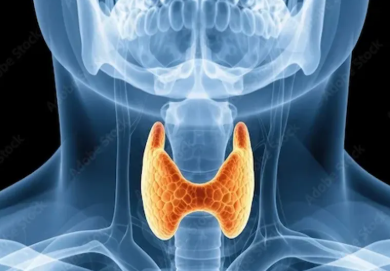
RABIT stands for Robotic-Assisted Breast-Axillo Insufflated Thyroidectomy. The thyroid gland comes out through small incisions in the armpit and upper chest area, no cut on the neck at all. The whole operation runs through the da Vinci robotic system with the surgeon at a console controlling instruments smaller than a pencil tip. Same thyroid removed, same cancer cleared when needed, just zero visible scar on the front of the neck.
According to Dr. Sandeep Nayak, a Head and Neck Surgery specialist, “RABIT exists because too many patients walked out cured of thyroid disease and carried a permanent neck scar that became the daily reminder of their cancer. Removing the gland through the armpit gives them complete oncological clearance without leaving that mark behind.“
Want to know if you qualify for RABIT?
How Is RABIT Thyroid Surgery Actually Performed?
The procedure splits into three stages across roughly two to three hours.
- Patient positioning: Patient lies flat with the arm gently raised above the head and the chest area is prepped because that is where the entry points go in, the neck stays completely untouched through the entire operation.
- Working tunnel: Carbon dioxide gas is pumped under the skin to create a working space from the armpit up to the thyroid bed, the same gas used in laparoscopy and absorbed by the body within hours after surgery.
- Robotic docking: The da Vinci Xi system gets wheeled in and four robotic arms pass through the small armpit and chest incisions, after which the surgeon sits at the console and operates by hand and foot controls with every movement scaled down for precision.
- Gland removal: The thyroid is dissected free from the trachea, the recurrent laryngeal nerve and the parathyroid glands under high-magnification 3D vision and the gland is brought out through the same tunnel before incisions are closed with sutures that dissolve on their own. More on the scarless robotic thyroid technique here.
Who Is The Right Candidate For RABIT?
RABIT is not offered to every thyroid patient and at MACS Clinic the selection is honestly assessed.
- Tumour size: Nodules and tumours under 6 centimetres with no extra-thyroidal extension on imaging are the ideal candidates, anything bigger or invading nearby structures is better handled conventionally where the access is wider and more direct.
- Body type: Slim to average build works well because the tunnel from armpit to thyroid stays manageable, very obese patients face a much longer working distance which makes RABIT technically harder and the standard approach more sensible.
- Cancer stage: Early-stage papillary and follicular thyroid cancers without bulky nodal disease qualify and patients can opt for robotic thyroid cancer surgery under RABIT, locally advanced cases needing wide central or lateral neck dissection usually need a conventional incision for safe and complete oncological clearance.
- Patient priority: Cosmetic outcome genuinely matters to most RABIT candidates and those who want absolutely no neck scar plus qualify on disease and anatomy are the right fit, while patients indifferent to scarring may not need the slightly longer operative time RABIT involves. Our blog on robotic thyroidectomy recovery covers what comes after.
Why Choose Dr. Sandeep Nayak for RABIT Thyroid Surgery in Bangalore
Dr. Sandeep Nayak invented the RABIT technique back in 2018 and has performed over 500 RABIT surgeries since, the largest single-surgeon volume of scarless robotic thyroidectomy anywhere in India. He brings 24 years of surgical oncology experience, DNB qualifications in Surgical Oncology and General Surgery and a fellowship in Laparoscopic and Robotic Onco-Surgery to every case at MACS Clinic, Jayanagar Bangalore. He chairs Oncology Services across Karnataka, holds originator credits for RABIT, RIA-MIND and L-VEIL and has trained robotic thyroid surgeons across India and abroad through over 25 published clinical studies. Every patient is honestly assessed first and RABIT is offered only when it genuinely fits the case. Call +91 9482202240 to book your consultation.
Frequently Asked Questions
How long does a RABIT thyroid surgery take?
RABIT runs roughly two to three hours including robotic docking time which adds about 30 minutes compared to conventional thyroidectomy.
Is RABIT painful after surgery?
Pain after RABIT is usually mild because the incisions are small and away from the neck, with most patients managing on oral painkillers within 24 hours.
Can RABIT be done for thyroid cancer?
Yes, RABIT is approved for early-stage papillary and follicular thyroid cancers including total thyroidectomy with central neck dissection where indicated.
How long is the hospital stay after RABIT?
Most RABIT patients are discharged within 2 to 3 days with normal activities resumed in 1 to 2 weeks and full recovery by 4 weeks.
References:
Disclaimer: The information shared in this content is for educational purposes only and not for promotional use.