
Blogs
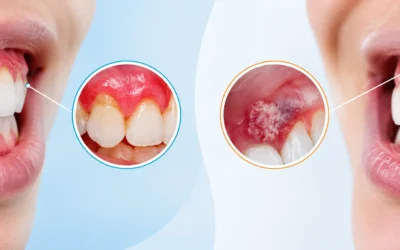
Gum Cancer vs Gum Disease: How to Tell the Difference?
Bleeding, swollen gums usually point to plain old gum disease, and most people have dealt with some version of it. Gum cancer looks different. It tends to show up as one stubborn spot, a sore, lump, or patch that sticks around no matter how well you brush and floss....

Thyroglossal Cyst in Children vs Adults: Does Treatment Differ?
A thyroglossal cyst is one of the most common midline neck lumps doctors see, and it shows up in both children and adults. The good news is that the surgical approach doesn't really change based on age. Whether the patient is 6 or 60, the standard operation removes...

Does Facial Nerve Weakness After Parotid Surgery Go Away?
Waking up with a droopy or stiff side of the face after parotid surgery understandably worries patients. In most cases though it does go away. The facial nerve runs directly through the gland and even a well-executed surgery can leave it bruised or stretched for a...

Life After Laryngectomy: Can You Speak and Eat Normally Again?
There's one question almost every patient asks before a laryngectomy: what will daily life actually look like once it's over? Eating comes back to normal once the site has healed. Speech works differently. The voice box is gone, so a new way of talking has to be...

Nasopharyngeal Cancer: Why Is It Often Diagnosed Late?
Nasopharyngeal cancer starts in a spot that's hard to see and even harder to suspect, the space tucked behind the nose and above the back of the throat. Early on it tends to behave like something ordinary, a blocked ear or a stuffy nose or a ringing that won't quit,...

Cancer Care: Beyond Treating the Tumour
Cancer care has come a long way over the last three decades. Today, treating cancer is no longer simply about removing a tumour. It is about treating the person who has the tumour.The first and most important step is to define the goal of treatment. When the Goal Is...

Salivary Gland Tumour: Benign or Cancer?
A lump near the ear or jaw usually raises one question first: is it cancer? For salivary gland tumours, the odds are actually reassuring. Around four out of every five turn out to be benign, growing slowly and staying confined to the gland. The rest can be malignant,...
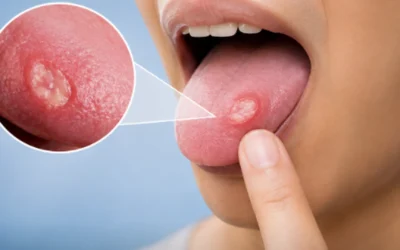
Tongue Ulcer That Won’t Heal: When Should You Worry About Cancer?
Most mouth ulcers settle down on their own within a week or two. But a sore on the tongue that's still sitting there past the two-to-three-week mark isn't something to keep waiting out, it needs a doctor or dentist to take a proper look and rule out oral cancer. Oral...

Metastasis of Unknown Origin in Head and Neck Cancer
A patient presenting with a neck swelling is commonly evaluated for infection, thyroid disease, lymphoma, or a primary head and neck tumour. Occasionally, however, examination reveals metastatic cancer in one or more cervical lymph nodes, while the original tumour...