
Oropharyngeal Cancer: Symptoms, Treatment & Prevention

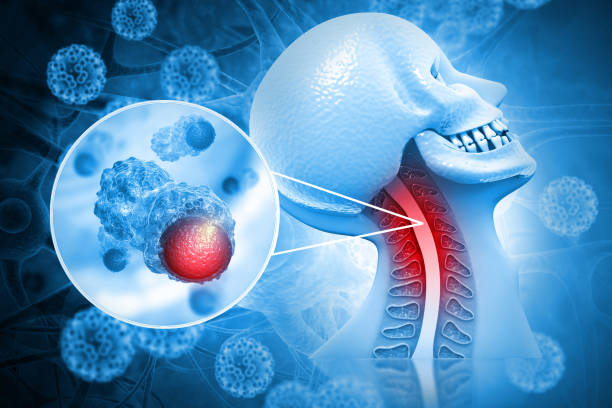
Globally, head and neck cancers account for hundreds of thousands of new cases each year, and a substantial share of these involve the oropharynx. In India, head and neck cancers make up roughly 30-40% of all cancer cases.
“Most people assume throat discomfort is harmless, but persistent symptoms often tell a deeper story,” explains Dr. Sandeep Nayak, a renowned Head and Neck Surgeon in Bangalore, India. “Oropharyngeal cancer can develop quietly, which makes early awareness incredibly valuable. When patients seek evaluation at the right time, we can detect changes sooner and offer treatments that preserve both health and quality of life.”
Symptoms of Oropharyngeal Cancer
Persistent sore throat or throat pain:
Difficulty swallowing (dysphagia):
Ear pain:

Change in voice or hoarseness:
Lump or swelling in the neck:
Unexplained weight loss or persistent fatigue:
White or red patches in the throat or tonsils:
Oral ulcers that don’t heal may indicate pre-cancerous or cancerous changes.
“Early signs of oropharyngeal cancer can mimic common throat issues. That’s why patients who ignore persistent symptoms may reach the clinic only in advanced stages,” warns Dr. Athira Ramakrishnan, an accomplishedendoscopic skull base surgeon in Bangalore. “Timely evaluation can make a significant difference. I always advise patients to get evaluated without delay if any warning signs last beyond a few weeks.”
Causes and Risk Factors
Tobacco use (smoking or chewing):
High-risk Human Papillomavirus (HPV):

Alcohol consumption:
Heavy or chronic alcohol use increases risk, often acting together with tobacco to heighten danger.
Poor oral hygiene and chronic irritation:
Age and gender:
Need Assistance?
If you suspect any persistent risk factors or warning signs, reach out to a qualified head and neck cancer specialist for an assessment.
Diagnosis of Oropharyngeal Cancer
Clinical examination:
Endoscopic evaluation:

Biopsy:
Imaging studies:
HPV testing (if indicated):
In many cases, especially younger patients or non-tobacco users, testing for high-risk HPV strains helps guide prognosis and treatment.
Dr. Ameenuddin Khan, an accomplished specialist, adds: “HPV-related oropharyngeal cancers often behave differently and may respond better to treatment compared to tobacco-related ones. But in India, where tobacco and alcohol remain common, HPV is only part of the risk picture. Vigilance and tailored treatment remain crucial.”
Stages of Oropharyngeal Cancer

Stage I–II (early stage): Cancer is localized to the oropharynx and hasn’t spread significantly.
Stage III–IVA (locoregional advanced): The tumor may be larger and/or lymph nodes in the neck might be involved.
Stage IVB–IVC (advanced or metastatic): Cancer has spread beyond local regions, possibly to distant organs or tissues.
Treatment Options for Oropharyngeal Cancer
Surgery:
Radiotherapy:

Chemotherapy (chemoradiation):
Combining chemotherapy with radiotherapy, especially for more advanced or unresectable tumors.
Targeted therapy & immunotherapy:
In selected cases, newer agents may help, especially when conventional treatment is insufficient.
Supportive care and rehabilitation:
Speech therapy, nutritional support, and swallowing therapy are crucial after surgery or chemoradiation.
Dr. Abhilasha Sadhoo, a prominent head and neck surgeon in Bangalore, notes:“Treatments today are more refined than ever. For many patients, a combination of surgery and radiotherapy, or chemoradiation, can provide good control with preserved function. But equally important is follow-up and rehabilitation, because quality of life matters as much as survival.”
Prevention of Oropharyngeal Cancer
Avoid tobacco in any form:
Limit alcohol consumption:
Maintain good oral hygiene:
Be aware of HPV:
Regular check-ups:
Need Assistance?
If you use tobacco or alcohol, or notice persistent throat symptoms, consider seeking advice from a head and neck specialist. Early evaluation can make a difference.
FAQs
What is the survival rate for oropharyngeal cancer?
Can oropharyngeal cancer be cured?
What are the side effects of treatment for oropharyngeal cancer?
How can I reduce my risk of oropharyngeal cancer?
What is the relationship between HPV and oropharyngeal cancer?
Need Assistance?
Disclaimer: The information shared in this content is for educational purposes only. Individual results may vary. Please consult a qualified doctor for personalized advice