
Parotid Gland Tumor
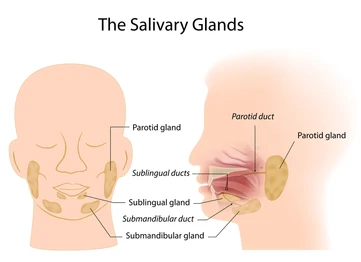
The parotid glands, located near the ears, are the largest salivary glands responsible for saliva production, aiding digestion, and keeping the mouth moist. Parotid gland tumors are abnormal growths that can be benign or malignant. While benign tumors are more common, parotid cancer, though rare, can be aggressive. Early detection and treatment are crucial for improving outcomes.
Dr. Sandeep Nayak, a distinguished surgical oncologist in India, explains, “Most parotid gland tumors are benign and can be treated with surgery. However, even benign tumors should not be ignored, as they can cause discomfort and interfere with normal functions like chewing or swallowing.”
Dr. Nayak is known for his expertise in diagnosing and treating parotid gland tumors. With years of experience in performing both benign and malignant tumor surgeries, his approach combines the latest surgical techniques with personalized care to ensure the best possible outcomes for his patients.
What is a Parotid Gland Tumor?
A parotid gland tumor is an abnormal growth or swelling that develops in the parotid glands, which are located in front of the ears. These tumors can be benign or malignant, though most are benign. Benign parotid tumors grow slowly and are often non-invasive, meaning they do not spread to other parts of the body. However, malignant tumors (parotid gland cancer) can be more aggressive and may spread to nearby tissues or other organs.
Benign parotid tumors typically include:
- Pleomorphic adenomas (the most common type)
- Warthin tumors
Malignant parotid tumors
are rarer and may include:
-
- Mucoepidermoid carcinoma
- Adenoid cystic carcinoma
Symptoms and Causes
Symptoms of Parotid Gland Tumors:
- Lump near the jaw or neck
A painless swelling or lump near the ear or jaw is often the first sign.
- Facial weakness or numbness
If the tumor affects facial nerves, it may cause weakness or loss of sensation on one side of the face.

- Pain or tenderness
While the benign tumors are painless, some may cause discomfort.
- Difficulty swallowing or chewing
Large tumors may interfere with swallowing and chewing, depending on their size and location.
- Dry mouth
If the tumor affects the normal function of the gland, it may lead to decreased saliva production.
Causes of Parotid Gland Tumors:
The exact cause of most parotid gland tumors is unknown. However, there are several risk factors:
- Radiation exposure
Previous radiation treatment to the head or neck area may increase the risk of developing parotid tumors.
- Genetic factors
Family history and genetic conditions like MEN (Multiple Endocrine Neoplasia) may also contribute.
- Age and gender
Certain types of parotid gland tumors are more common in specific age groups and genders.
Diagnosing Parotid Gland Tumors
1. Physical Examination
2. Imaging Tests
- Ultrasound: Often, the first imaging test to determine if there is a lump.
- CT Scan or MRI: These tests give clear images of the tumor, including its size and location.
- Parotid Gland Tumor Radiology: Assists in analyzing the structure of the tumor and whether it is benign or malignant.

3. Biopsy
Treatments for Parotid Gland Tumors
1. Benign Tumors
- Surgical Removal
- Observation
The tumor is usually removed along with a small portion of the surrounding tissue to ensure complete removal and prevent recurrence.
In some cases, if the tumor is small and not causing symptoms, the doctor may recommend regular monitoring instead of immediate surgery.

2. Malignant Tumors
- Surgery
Removal of the entire parotid gland may be necessary if the tumor is malignant.
- Radiation Therapy
After surgery, radiation therapy may be recommended to kill any remaining cancer cells.
- Chemotherapy
If the cancer has spread, chemotherapy may be used in combination with other treatments.
Need Assistance?
Worried about the best treatment for a parotid gland tumor? Connect with a seasoned specialist in parotid gland tumor treatment for personalized recommendations.
What Can I Expect if I Have a Parotid Gland Tumor?
- Diagnosis:
Expect a physical exam, imaging tests (ultrasound, CT, MRI), and possibly a biopsy to determine if the tumor is benign or malignant.
- Treatment:
Benign tumors usually require surgery for removal. Malignant tumors may need additional treatments like radiation or chemotherapy.

- Surgery:
A parotidectomy will be performed to remove the tumor, with possible removal of nearby tissue or lymph nodes.
- Recovery:
Recovery involves a short hospital stay and a few weeks of rest. Swelling and discomfort near the surgery site are common.
- Facial Nerve Function:
Temporary or permanent facial weakness may occur if the tumor is near the facial nerve.
- Follow-Up:
Regular check-ups and imaging to monitor for recurrence, especially if the tumor is malignant.
Survival Rates for People with Parotid Gland Tumors
The prognosis for parotid gland tumors largely depends on whether the tumor is benign or malignant. For benign tumors, the prognosis is generally excellent, and most patients recover fully after surgery. The recurrence rate is low if the tumor is completely removed.
For malignant tumors, survival depends on factors such as tumor size, location, and whether it has spread to nearby tissues. Early detection and treatment are key to improving survival rates. With modern treatment options, many patients with malignant parotid gland tumors can achieve good long-term survival.
When Should I See My Healthcare Provider?
Dr. Sandeep Nayak advises, “If you experience any of these symptoms, early diagnosis and treatment are crucial for the best outcome. Even if the lump is painless or appears benign, it’s always a good idea to have it checked.”
Need Assistance?
Don’t wait to seek help. Get in touch with a competent professional for a thorough evaluation today.
FAQs
1. What causes parotid gland tumors?
2. How do I take care of myself after parotid gland tumor surgery?
3. Is parotid cancer curable?
4. Are parotid gland tumors dangerous?
5. Is parotid gland tumor treatment without surgery possible?
Disclaimer: The information shared in this content is for educational purposes only. Individual results may vary. Please consult a qualified doctor for personalized advice