
Advanced Oral Cancers
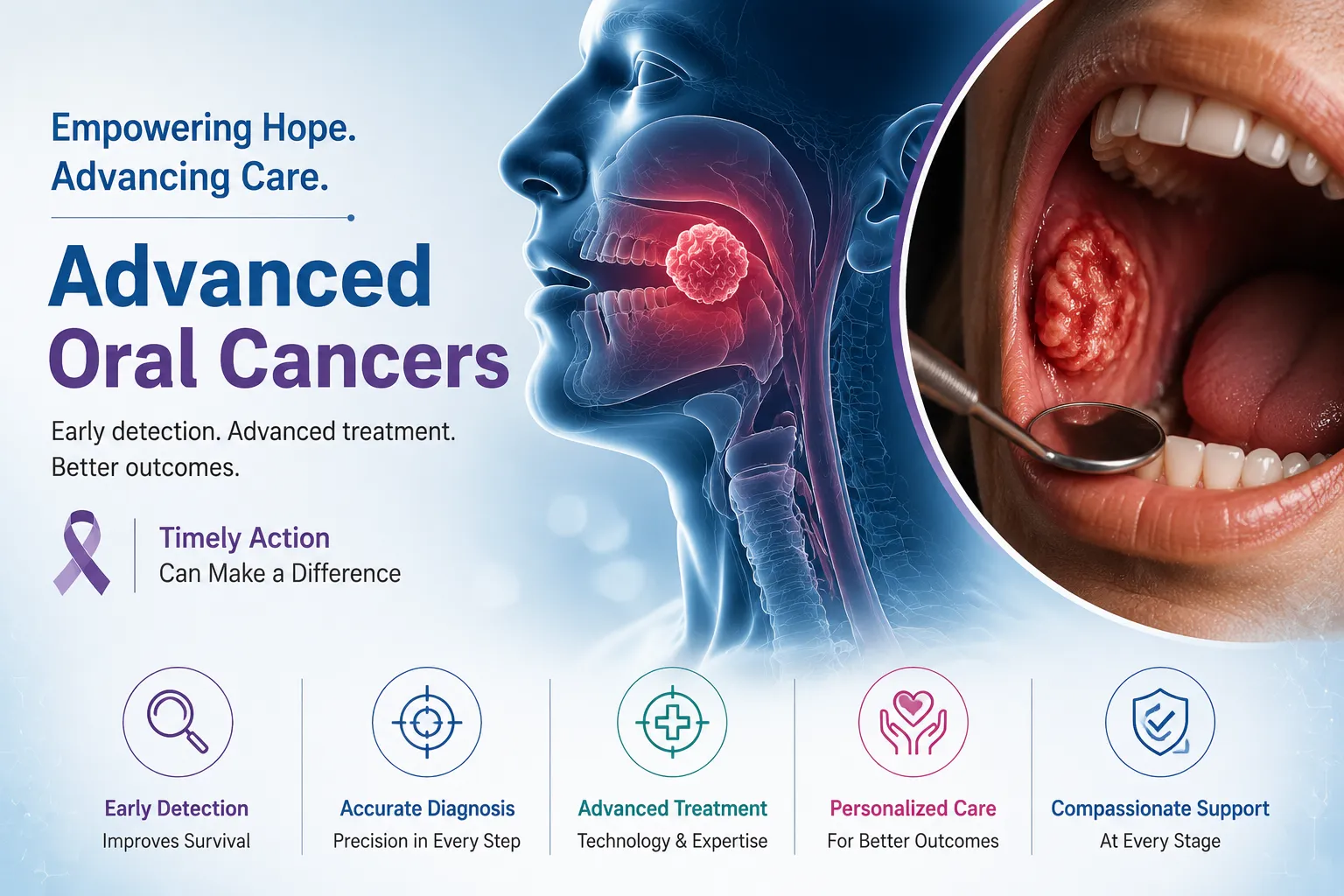
Advanced oral cancers are complex stages of disease in which tumors may spread to nearby tissues, lymph nodes, or critical structures of the mouth and face. Since they can affect speech, swallowing, and nutrition, timely diagnosis and specialized treatment are important. While early recognition of oral cancer symptoms can improve outcomes, advanced cases often require combined treatments such as surgery, radiation therapy, chemotherapy, and reconstruction to achieve cancer control and preserve quality of life.
According to Dr. Sandeep Nayak, a globally acclaimed surgical oncologist in India, “Treatment of advanced oral cancers requires a personalized approach that focuses on complete cancer removal while preserving important functions. Advanced surgical techniques and reconstruction play an important role in helping patients recover function and quality of life.”
Dr. Sandeep Nayak brings specialized expertise in advanced head and neck cancer care, with experience in managing complex oral cancers involving critical structures of the mouth and surrounding regions. His approach combines minimally invasive, robotic surgical techniques, advanced reconstruction, and individualized treatment strategies to address challenging cases while focusing on cancer control, functional recovery, and quality of life.
How does oral cancer become advanced? Let’s explore how the disease progresses and affects nearby structures.
What Are Advanced Oral Cancers?
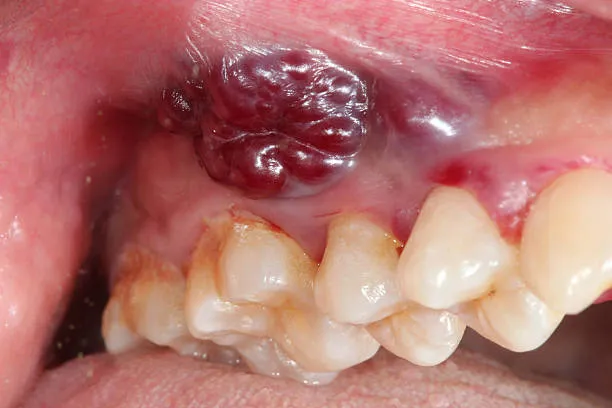
Advanced oral cancers refer to mouth cancers that have grown extensively or spread to nearby tissues, lymph nodes, or other areas. These cancers may involve structures such as:
Tongue
Inner cheek lining
Floor of the mouth
Gums
Jawbone
Lips
Palate
Advanced disease may affect normal functions, making accurate diagnosis and specialized treatment essential.
Unlike early-stage disease, advanced oral cancers often require a combination of treatments. The goal is to achieve effective cancer control while preserving speech, swallowing ability, appearance, and overall quality of life.
What signs should you look for? Let’s discover the common symptoms linked with advanced oral cancer.
Symptoms of Advanced Oral Cancer
Recognizing warning signs can help in seeking timely medical evaluation.

Persistent mouth ulcer that does not heal
Growth or lump inside the mouth
Unexplained bleeding
Difficulty chewing or swallowing
Persistent pain in the mouth or throat
Change in voice
Reduced movement of the tongue or jaw
Loose teeth without a clear dental cause
Numbness in the mouth or face
Persistent symptoms require evaluation by an experienced specialist.
Persistent mouth changes need timely evaluation. Connect with a seasoned expert to understand your symptoms and treatment options.
What increases oral cancer risk? Let’s explore the factors linked to its development.
Causes and Risk Factors of Advanced Oral Cancers
Several factors can increase the risk of developing oral cancer:

Tobacco Use
Smoking and smokeless tobacco are among the strongest risk factors for oral cancers.
Alcohol Consumption
Regular alcohol intake may increase the risk, especially when combined with tobacco use.
Human Papillomavirus (HPV)
Certain HPV infections may contribute to cancers of the oral cavity and throat.
Poor Oral Health
Long-term irritation and untreated oral conditions may contribute to cancer risk.
Family History
Some individuals may have an increased risk due to genetic factors.
Where can oral cancer occur? Let’s discuss the different types and affected areas.
Types of Advanced Oral Cancers
Advanced oral cancers may develop in different parts of the mouth:
Tongue Cancer
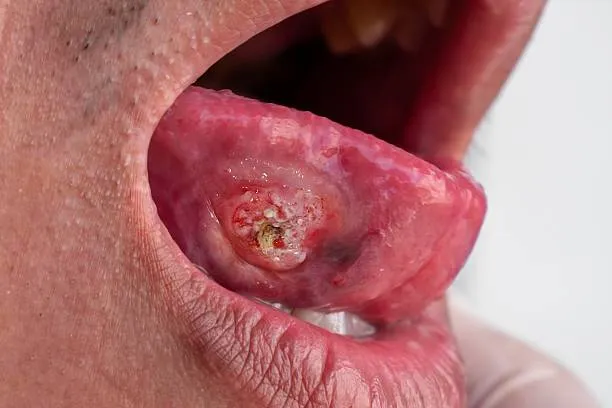
Cancer affecting the tongue may interfere with speech, swallowing, and tongue movement.
Buccal Mucosa Cancer
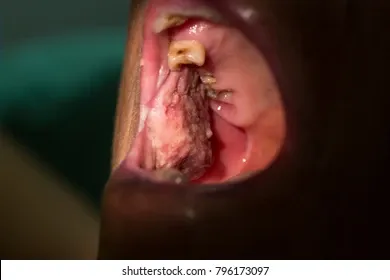
This affects the inner lining of the cheeks and is commonly associated with tobacco exposure.
Floor of Mouth Cancer
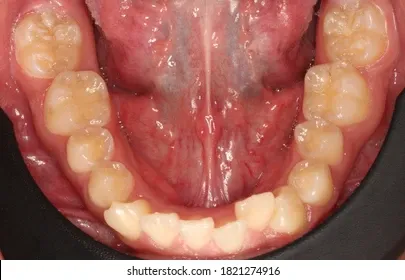
These cancers develop beneath the tongue and may involve nearby structures.
Gum and Jaw Cancer
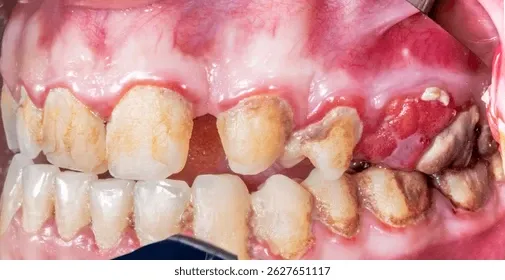
Advanced tumors may affect the gums and underlying jawbone.
Lip Cancer
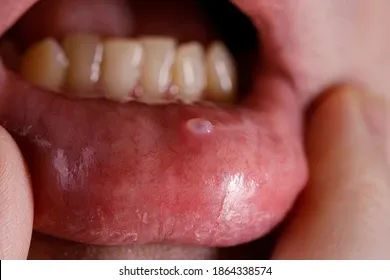
Lip cancer may require specialized surgical management.
How is oral cancer diagnosed? Let’s explore the tests used to assess the disease.
Diagnosis of Advanced Oral Cancer
Accurate diagnosis helps determine the most appropriate treatment strategy.
Evaluation may include:

Clinical Examination
A specialist examines the mouth, tongue, and surrounding structures.
Biopsy
A tissue sample confirms the presence and type of cancer.
Imaging Tests
CT scans, MRI, and PET scans help assess tumor spread.
Lymph Node Evaluation
Assessment of neck lymph nodes helps determine disease extent.
A detailed diagnosis helps plan personalized oral cancer treatment.
Why do cancer stages matter? Let’s discover how staging guides treatment decisions.
Stages of Advanced Oral Cancer
Oral cancer staging describes the tumor size, involvement of nearby tissues, lymph node spread, and distant metastasis. Accurate staging helps specialists choose the most suitable treatment approach.

Stage III Oral Cancer
The tumour may be larger or may involve nearby lymph nodes. Treatment may include surgery with additional therapies based on individual factors.
Stage IV Oral Cancer
Cancer may involve nearby structures, multiple lymph nodes, or distant organs. Treatment often requires a combination of surgery, radiation therapy, chemotherapy, or other therapies.
Locally Advanced Oral Cancer
The cancer has spread to nearby tissues but may still be treated with a comprehensive approach aimed at disease control.
Metastatic Oral Cancer
Cancer has spread to distant organs, and treatment focuses on controlling disease, managing symptoms, and improving quality of life.
Advanced oral cancer stages influence treatment decisions, expected outcomes, and the need for combined therapies.
How is advanced oral cancer treated? Let’s explore the treatment options available.
Management and Treatment of Advanced Oral Cancer
Treatment depends on tumour location, stage, overall health, and individual needs.
Surgery
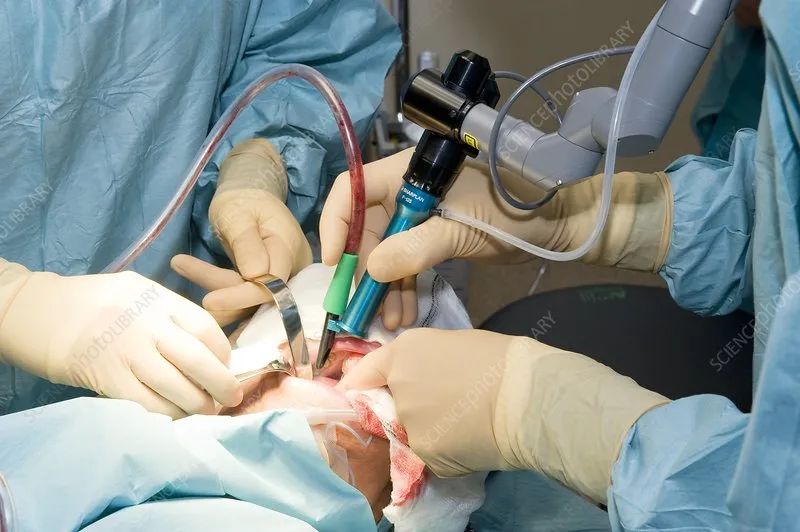
Surgery is often a key part of treatment for advanced oral cancers. It involves removing the tumour along with surrounding healthy tissue to achieve complete cancer clearance.
Neck Dissection
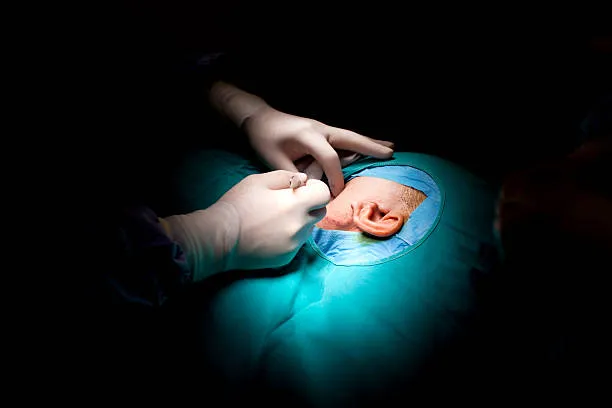
If cancer has spread to lymph nodes, neck dissection may be performed to remove affected lymph nodes and reduce the risk of recurrence.
Reconstructive Surgery
Large oral cancer surgeries may create defects affecting appearance and function. Reconstruction helps restore structures involved in speech, swallowing, and facial appearance.
Radiation Therapy
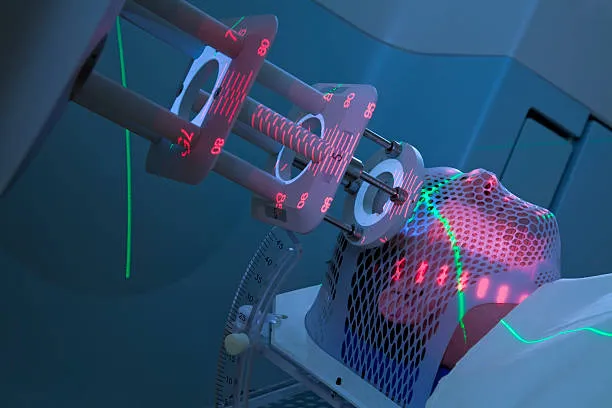
Radiation therapy may be used after surgery or as part of combined treatment to target remaining cancer cells.
Chemotherapy and Targeted Therapies
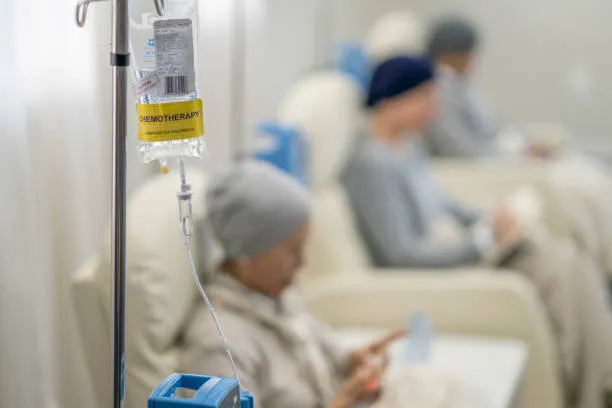
Systemic treatments may be recommended in selected cases to control cancer growth and improve treatment outcomes.
Immunotherapy
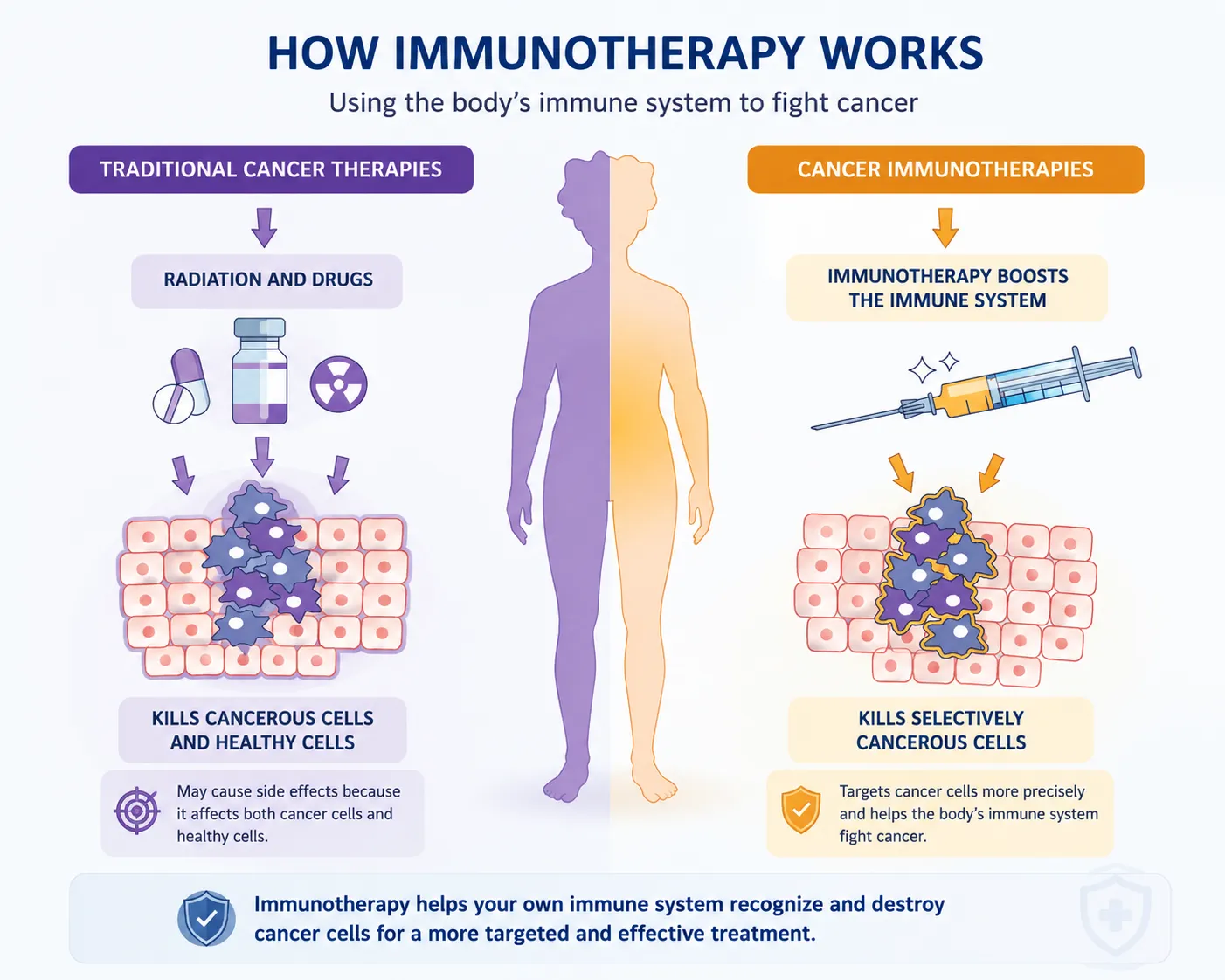
For certain advanced oral cancers, immunotherapy may be considered based on tumour characteristics and treatment response.
Understanding treatment choices can help you make informed decisions. Visit an experienced specialist to discuss suitable care options.
Why is a team-based approach important? Let’s explore how specialists work together for comprehensive care.
Multidisciplinary Care for Advanced Oral Cancer
Advanced oral cancers often involve complex treatment decisions because the disease may affect multiple areas, including the mouth, jaw, tongue, and surrounding tissues. A multidisciplinary approach brings together specialists from different fields to create an individualised treatment plan based on the patient’s diagnosis, cancer stage, and functional needs.
A multidisciplinary team may include:
Head and Neck Surgical Oncologist
The surgical oncologist evaluates the tumour and performs procedures to remove cancer while considering preservation of important functions.
Medical Oncologist
A medical oncologist plans chemotherapy, targeted therapy, or immunotherapy when required as part of the overall treatment strategy.
Radiation Oncologist
Radiation specialists provide targeted radiation therapy before or after surgery or as part of combined treatment.
Radiologist and Pathologist
Imaging specialists and pathologists help determine tumour characteristics, extent of disease, and treatment planning.
Reconstructive and Rehabilitation Specialists
Reconstructive surgeons, speech therapists, and swallowing specialists help restore function and support recovery after treatment.
This coordinated approach helps ensure that patients receive comprehensive oral cancer treatment focused on cancer control, functional preservation, and long-term quality of life.
What happens after treatment? Let’s discuss recovery, rehabilitation, and supportive care.
Recovery and Supportive Care
Recovery after advanced oral cancer treatment depends on the extent of surgery and additional therapies received.
Supportive care may include:
Speech therapy
Swallowing rehabilitation
Nutritional support
Pain management
Regular follow-up visits
Reconstructive techniques and rehabilitation help many patients regain important functions after treatment.
Can oral cancer risk be reduced? Let’s explore steps that support prevention and early detection.
Prevention and Risk Reduction

Many oral cancers are linked to preventable risk factors.
Risk reduction includes:
Avoiding tobacco products
Limiting alcohol consumption
Maintaining good oral hygiene
Regular dental check-ups
Seeking evaluation for persistent mouth changes
Early detection can significantly improve treatment possibilities.
What happens after robotic thyroid surgery? Let’s dive into the recovery process and what patients can expect.
Why Choose Dr. Sandeep Nayak for Advanced Oral Cancer Treatment?

Expertise in Complex Oral Cancer Surgery
Dr. Sandeep Nayak has extensive experience in managing advanced oral cancers that require complex surgical decision-making and precision techniques.
Specialised Head and Neck Cancer Expertise
His expertise includes advanced cancers of the oral cavity, tongue, jaw, and surrounding structures requiring specialised treatment approaches.
Focus on Function Preservation
Treatment planning considers preservation of important functions such as speech, swallowing, chewing, and facial appearance whenever possible.
Advanced Reconstructive Approaches
Dr. Nayak incorporates reconstructive techniques to help restore form and function after extensive cancer removal procedures.
Experience in Tumour Removal and Reconstruction
His approach combines cancer clearance with reconstruction planning to support better functional and aesthetic outcomes.
Patient-Centred Cancer Care
Clear communication, informed decision-making, and long-term support remain important parts of the treatment journey.
FAQs
1. What are the common symptoms of oral cancer?
Common symptoms include persistent mouth ulcers, lumps, pain, bleeding, difficulty swallowing, and changes in speech.
2. Can advanced oral cancer be treated?
Yes, advanced oral cancers can be treated with a combination of surgery, radiation therapy, chemotherapy, and supportive care.
3. What is the 5-year survival rate for stage 4 oral cancer?
Survival depends on several factors, including tumour location, stage, response to treatment, and overall health.
4. What does reconstructive surgery involve for large jaw or tongue tumors?
Reconstructive surgery restores structures removed during cancer surgery using specialised techniques and tissue reconstruction.
5. How can a patient eat or get nutrition during late-stage treatment?
Nutrition may be supported through dietary guidance, feeding support, and swallowing rehabilitation.
Disclaimer: The information shared in this content is for educational purposes and not for promotional use.