
Scarless Robotic Thyroid Surgery
Thyroid surgery has traditionally required an incision on the front of the neck, which may leave a visible scar after healing. With advancements in surgical technology, scarless robotic thyroid surgery has emerged as a minimally invasive approach that focuses on effective treatment while improving cosmetic outcomes. This advanced technique uses robotic assistance to remove thyroid tissue through hidden or natural access points, avoiding a visible neck incision in suitable patients.
Dr. Sandeep Nayak, a globally renowned surgical oncologist in India, states, “The goal of modern thyroid surgery is not only to treat the disease effectively but also to preserve patient confidence and quality of life. Robotic techniques allow us to achieve precision while addressing cosmetic concerns.”
A pioneer in advanced thyroid and head and neck cancer surgery, Dr. Sandeep Nayak brings over 20 years of extensive experience in thyroid surgery, robotic procedures, and complex cancer treatments. His expertise includes advanced techniques such as robotic thyroidectomy, transoral robotic thyroid surgery (TORS), scarless thyroid surgery, and minimally invasive approaches, enabling personalized care focused on safety, precision, and improved patient outcomes.
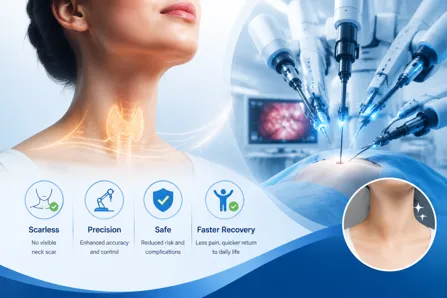
This page, developed in association with MACS Clinic and Dr. Sandeep Nayak, provides detailed information about scarless robotic thyroid surgery, including its procedure, benefits, suitability, safety, and recovery process.
What Is Scarless Robotic Thyroid Surgery?
Scarless robotic thyroid surgery is a modern thyroid removal technique that uses robotic-assisted surgical systems to perform thyroid procedures through carefully selected access points instead of making an incision on the front of the neck.
The procedure is commonly performed using approaches such as Transoral Robotic Thyroid Surgery (TORS), where the surgeon accesses the thyroid gland through the mouth. Since there is no external neck incision, this technique is also known as thyroid surgery without scar.
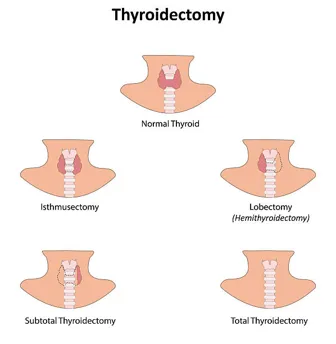

During robotic thyroid surgery, the surgeon controls highly precise robotic instruments that provide enhanced magnification, improved visualization, and a greater range of movement compared to traditional surgical instruments.
The goal of this approach is not only to treat thyroid conditions effectively but also to achieve better cosmetic results, especially for patients who are concerned about a visible neck scar.
Discover if robotic thyroid surgery is the right choice for your condition. Speak with an expert thyroid surgeon today for personalized guidance.
Curious about the process behind robotic thyroid surgery? Let’s explore how this advanced technique is performed with precision.
How Does Scarless Robotic Thyroid Surgery Work?
Scarless thyroid surgery involves advanced robotic technology that allows surgeons to access the thyroid gland through alternative routes while avoiding a traditional neck incision.
In a typical robotic thyroid surgery procedure:
The patient is placed under general anesthesia.
Small access points are created through the mouth or other hidden areas depending on the selected technique.
A robotic surgical system is used to guide specialized instruments.
The surgeon operates the robotic arms with precise movements while viewing an enlarged 3D surgical field.
The thyroid tissue or thyroid tumor is carefully removed while protecting important structures such as the recurrent laryngeal nerve and parathyroid glands.

Unlike automated surgery, robotic systems do not operate independently. The surgeon remains completely in control throughout the procedure.
Transoral robotic thyroid surgery is one of the most advanced scar-avoidance techniques available today and requires specialized surgical expertise and training.
What are the advantages of choosing scarless thyroid surgery? Let’s dive into the benefits this modern approach offers.
Benefits of Scarless Robotic Thyroid Surgery
The primary advantage of scarless robotic thyroid surgery is the absence of a visible neck scar. However, the technique may provide several additional benefits for appropriately selected patients.
Improved Cosmetic Results
A visible scar on the neck can be a concern for many patients, particularly younger individuals or those whose professional and personal lives involve frequent public interaction. Scarless thyroid surgery eliminates the external neck incision, resulting in improved cosmetic outcomes.
Enhanced Surgical Precision
Robotic systems provide surgeons with high-definition, magnified views and specialized instruments capable of delicate movements. This precision can be especially beneficial when operating near critical structures of the thyroid region.
Minimally Invasive Approach
By avoiding a traditional neck incision, scarless robotic thyroid surgery may reduce tissue disruption and improve recovery for selected patients.
Better Visualization of Anatomical Structures
The enlarged three-dimensional view enables improved identification of key tissues, including nerves and parathyroid glands, which play a role in maintaining normal voice function and calcium balance.
Improved Patient Confidence
Many patients, especially younger individuals and those concerned about appearance, prefer thyroid surgery without a scar due to the cosmetic benefits and reduced impact on their self-image.
Could robotic thyroid surgery be suitable for you? Let’s discuss who may benefit from this advanced procedure.
Who Is a Candidate?
Not every patient requiring thyroid surgery is suitable for scarless thyroid surgery. Careful evaluation by an experienced thyroid surgeon is essential before choosing this approach.
Patients who may be considered for robotic thyroid surgery include those with:
Benign thyroid nodules requiring surgery
Selected thyroid cancers
Thyroid enlargement requiring removal
Small to moderately sized thyroid tumors
Cosmetic concerns regarding a neck scar
“Patients with very large thyroid tumors, extensive cancer involvement, previous neck surgery, or certain anatomical limitations may require conventional thyroid surgery,” explains Dr. Sandeep Nayak.
A detailed assessment, including imaging studies and evaluation of thyroid function, helps determine whether a patient is an appropriate candidate.
Learn more about advanced thyroid treatments and surgical techniques. Connect with an expert to discover how these advanced options can benefit your care.
Which thyroid conditions can be treated with robotic surgery? Let’s explore the conditions where this technique may be considered.
Why Choose Robotic Surgery Over Conventional Thyroid Surgery?
| Conventional Thyroid Surgery | Robotic Thyroid Surgery |
| External neck incision | Access through hidden or natural openings |
| Visible neck scar possible | No visible neck scar in suitable cases |
| Standard surgical instruments | Advanced robotic instruments |
| Direct surgical view | Enhanced magnified 3D visualization |
Is robotic thyroid surgery safe? Let’s discuss the risks and safety considerations.
Conditions Treated
Scarless robotic thyroid surgery may be used for selected thyroid conditions, including:
Thyroid Nodules
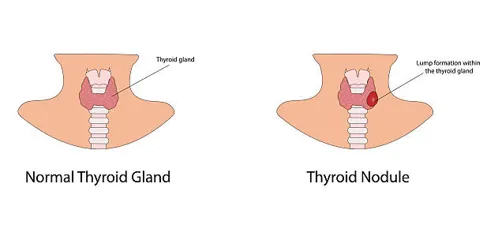
Thyroid nodules are abnormal growths within the thyroid gland. While many nodules are benign, some may require surgical removal based on size, symptoms, or suspicious features.
Thyroid Cancer
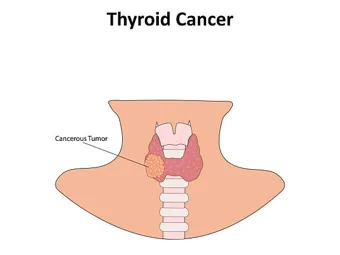
Selected patients with thyroid cancer may benefit from robotic thyroidectomy depending on tumor characteristics and disease extent.
Goitre
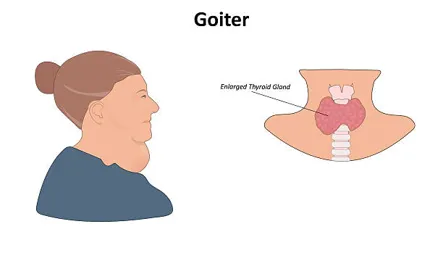
Large thyroid enlargement or multinodular goiter may sometimes require surgery when they cause swallowing difficulties, breathing problems, or cosmetic concerns.
Other Thyroid Disorders
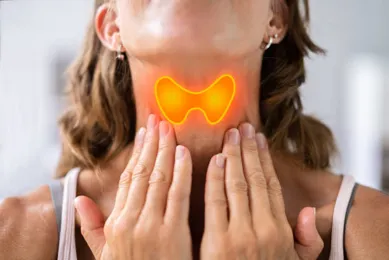
Certain non-cancerous thyroid conditions requiring gland removal may also be considered for robotic approaches.
How does robotic surgery differ from traditional thyroid surgery? Let’s compare both approaches and discover their key differences.
Risks and Safety
Like all surgical procedures, robotic thyroid surgery has potential risks. Although the technique is designed to improve precision, patients should understand possible complications.
Potential risks may include:
Bleeding
Infection
Temporary or permanent voice changes due to nerve injury
Changes in calcium levels due to parathyroid gland disturbance
Difficulty swallowing

When performed by an experienced surgeon with appropriate patient selection, robotic thyroidectomy is considered a safe and effective treatment option.
What happens after robotic thyroid surgery? Let’s dive into the recovery process and what patients can expect.
Recovery After Robotic Thyroid Surgery
Recovery after scarless robotic thyroid surgery varies depending on the extent of surgery and individual patient factors.
Many patients experience:
Less visible surgical evidence compared with traditional surgery
Gradual return to normal activities within a few weeks
Minimal discomfort managed with prescribed medications
Patients require follow-up appointments to monitor healing, thyroid hormone levels, and pathology results.
For international patients traveling to Bangalore for treatment, MACS Clinic provides coordinated care to reduce the need for repeated hospital visits. Follow-up consultations can be arranged online or coordinated with healthcare providers in the patient’s home city or country.
FAQs
What is scarless robotic thyroid surgery?
Scarless robotic thyroid surgery is an advanced thyroid removal technique that uses robotic assistance to remove thyroid tissue without creating a visible neck incision.
Is robotic thyroid surgery safe?
Yes. When performed by an experienced robotic thyroid surgeon, robotic thyroid surgery is considered a safe procedure with outcomes comparable to conventional thyroid surgery in appropriately selected patients.
Will I have any visible scar after surgery?
Scarless thyroid surgery is designed to avoid a visible neck scar. The exact cosmetic outcome depends on the surgical approach and individual healing.
Who is eligible for scarless thyroid surgery?
Patients with selected thyroid nodules, thyroid cancers, or thyroid enlargement may be candidates after evaluation by a specialist.
Is robotic thyroid surgery painful?
Most patients experience mild to moderate discomfort after surgery, which is usually managed effectively with medication.
Disclaimer: The information shared in this content is for educational purposes and not for promotional use.