
Skull Base Tumor Treatment | Symptoms, Causes & Advanced Surgical Options
Skull base tumors are growths that develop at the base of the skull, an area that houses critical structures such as the brainstem, nerves, and blood vessels. These tumors can be benign or malignant, and their location makes them particularly complex and difficult to treat. Because of their proximity to vital structures, skull base tumors can lead to a wide range of symptoms, including headaches, vision problems, hearing loss, and difficulty swallowing.
Dr. Sandeep Nayak, a globally renowned surgical oncologist in India, explains, “Due to the intricate nature of the skull base, these tumors require precise and advanced treatment options. With the right approach, many patients can recover successfully with minimal complications.”
Dr. Nayak provides expert skull base tumor treatment in India, offering a combination of cutting-edge diagnostic techniques and surgical interventions, including endoscopic skull base surgery. With years of experience handling complex cases, Dr. Sandeep Nayak specializes in providing personalized care to ensure the best possible results for his patients. His expertise in skull-base tumor surgery and recovery management makes him a trusted specialist in treating these challenging conditions.
Curious about what skull base tumors actually are? Let’s explore how they form and why their location matters so much.
What Are Skull Base Tumors?
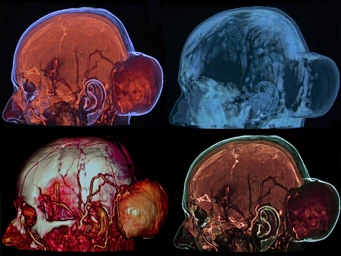
Skull base tumors are abnormal growths that occur at the base of the skull, an area that contains vital structures like the brain, nerves, and blood vessels. These tumors can be benign or malignant and may arise from various tissues, including bone, soft tissue, or nerve cells. Due to their complex anatomy, skull base tumors can affect a variety of functions, including vision, hearing, balance, and facial movement, and may cause headaches, hearing loss, or vision problems.
Are all skull base tumors the same? Let’s dive into the different types and how they affect treatment choices.
Types of Skull Base Tumors
Skull base tumors can be classified as benign or malignant, each requiring different treatment approaches.
Benign Skull Base Tumors
Benign tumors are non-cancerous growths that generally grow slowly and do not spread to other parts of the body. Common benign tumors at the skull base include:
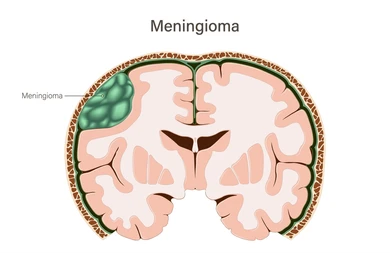
Meningiomas:
These tumors originate from the meninges (the protective layers around the brain and spinal cord).
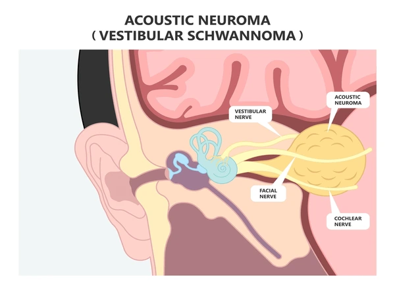
These tumors originate from the meninges (the protective layers around the brain and spinal cord).
These tumors affect the nerves responsible for hearing and balance.
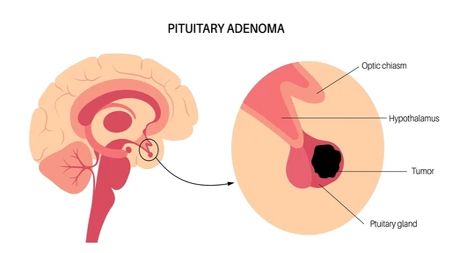
Pituitary Adenomas:
Tumors that develop in the pituitary gland, affecting hormone regulation.
Malignant Skull Base Tumors
Malignant tumors are cancerous and can spread to other areas of the body. Some common malignant skull base tumors include:
Chordomas:
Rare cancers that typically occur along the spine or skull base

Rhabdomyosarcomas:
Cancerous growths originating from soft tissue in the head and neck.
Squamous Cell Carcinomas:
A type of cancer that often originates in the mucous membranes of the skull base.
Are all skull base tumors the same? Let’s dive into the different types and how they affect treatment choices.
Skull Base Tumor Symptoms

The symptoms of skull base tumors can vary widely depending on the size, location, and the presence of the tumor in proximity to the nerves or blood vessels. Common symptoms include:
Headaches:
Often severe and persistent.
Hearing loss:
Particularly in the presence of tumors such as acoustic neuromas
Vision problems:
Double vision, vision loss, or blurred vision.
Facial numbness or pain:
Due to pressure on the trigeminal nerve.
Issues in swallowing and speech:
If the tumor affects the brainstem.
Experiencing these symptoms?
Connect with an expert for a thorough evaluation.
What actually causes skull base tumors to develop? Let’s delve into the risk factors and triggers linked to their growth.
Causes and Risk Factors
Although most skull base tumors have no known cause, some risk factors may predispose one to this growth:
Genetics
Inherited conditions such as Neurofibromatosis type 2 may put an individual at risk of having acoustic neuromas.
Radiation exposure
If the head or neck region has been subjected to radiation therapy before, it may expose the individual to the risk of developing tumors.
Age
Skull base tumors are more common in adults, especially those over 40 years old.
Gender
Some forms of skull base tumors are more prevalent among women, such as meningiomas.
When is the right time to seek medical attention? Let’s discuss the warning signs that shouldn’t be ignored.
When Should You See a Doctor?

In case you experience any of the symptoms related to skull base tumors, it is important to consult a doctor as soon as possible. Early diagnosis and intervention go a long way in improving outcomes. Consult a professional in case you notice:
Persistent headaches
Vision or hearing changes
Swallowing or speech difficulties
Weakness or numbness in the facial area
Balance problems
How do doctors confirm a skull base tumor? Let’s explore the tests and scans that lead to a clear diagnosis.
Diagnosis of Skull Base Tumors
Skull base tumor diagnosis is usually made in several steps to confirm the presence, location, and type of the tumor. These include:
Neurological Exam:
To assess symptoms related to nerve involvement
Imaging Tests:
MRI and CT scans are used to visualize the tumor and determine its size and location.

Biopsy:
In some cases, a biopsy may be performed to determine whether the tumor is benign or malignant.
What treatment options are available today? Let’s dive into the modern techniques that have transformed skull base tumor care.
Skull Base Tumor Treatment Options
“When it comes to treating skull base tumors, the approach depends on the tumor’s type, size, location, and whether it’s benign or malignant,” explains Dr. Sandeep Nayak. Below are the most common treatment options:

Surgery:
The most common treatment for accessible skull base tumors is surgery. The goal is to remove the tumor completely while minimizing damage to surrounding vital structures, like nerves and blood vessels.

Radiation Therapy:
Radiation may be used after surgery to target any remaining tumor cells or for tumors that cannot be surgically removed. It’s also useful in treating malignant tumors or those that have spread.

Chemotherapy:
In cases of aggressive tumors like anaplastic skull base tumors, chemotherapy may be recommended, especially if the tumor has spread beyond the skull base.

Targeted Therapy :
For some malignant tumors, targeted therapy using drugs that attack specific cancer cells is an option. This is typically used in combination with surgery or radiation.
5. Endoscopic Skull Base Surgery:
This minimally invasive approach involves using a small camera (endoscope) and specialized instruments to remove tumors through small incisions. This method reduces recovery time and minimizes scarring.
Each treatment plan is personalized based on the tumor type, patient health, and tumor behavior.
Seeking safe and advanced treatment options?
Reach out to a skull base tumor specialist for the best course of action based on your unique case.
What does life look like after surgery? Let’s explore what skull base tumor recovery entails and how long it typically takes.
Recovery After Skull Base Tumor Surgery
The process of recovery after the skull base tumor surgery can vary based on the complexity of the procedure as well as the health of the patient. Common aspects of recovery include:
Hospital Stay:
Typically 2-7 days, depending on the surgery.
Physical Therapy:
May be required for regaining strength, balance, and coordination.
Regular Follow-up:
Monitoring for any recurrence of the tumor or long-term side effects.
FAQs
1. How rare is sinus and nasal cavity cancer?
It accounts for about 5% of all head and neck cancers and around 1% of all malignancies, with a global incidence of just 0.2 to 1.0 cases per 100,000 individuals per year.
2. How serious is a skull base tumor?
Skull base tumors can be serious, especially if malignant. Early detection and treatment are critical for improving outcomes.
3. What is the best treatment for skull base tumors?
Treatment depends on the tumor type and location. Surgery, radiation, and sometimes chemotherapy are common options.
4. How long does skull base tumor surgery take?
Surgery can take several hours, depending on the tumor’s location and complexity. Your surgeon will provide a detailed timeline.
5. Can skull base tumors be removed completely?
Many skull base tumors can be removed completely, but the success depends on the tumor type, size, and location.
6. What is the survival rate for skull base tumors?
Survival rates depend on tumor type. Benign tumors typically have a high success rate, while malignant ones have a lower survival rate.
7. What is endoscopic skull base surgery?
Endoscopic skull base surgery is a minimally invasive procedure that allows surgeons to remove tumors using small incisions and a camera.
8. How long is the hospital stay after skull base surgery?
Typically, a hospital stay lasts 2-7 days, depending on the complexity of the surgery and recovery progress.
Disclaimer: The information shared in this content is for educational purposes and not for promotional use.