
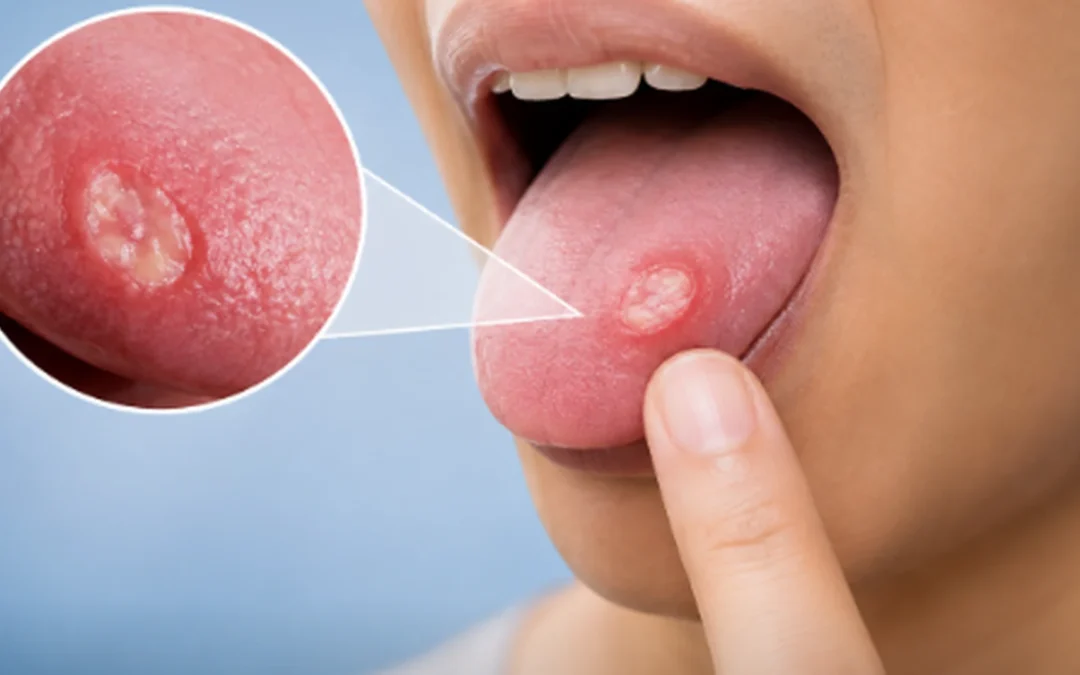
Most mouth ulcers settle down on their own within a week or two. But a sore on the tongue that’s still sitting there past the two-to-three-week mark isn’t something to keep waiting out, it needs a doctor or dentist to take a proper look and rule out oral cancer. Oral cavity cancer is among the more common cancers in Indian men, with the tongue being a frequent site of occurrence. Worth checking, not worth ignoring.
According to Dr. Sandeep Nayak, a Head and Neck Surgery Specialist, “Patients often sit on a tongue ulcer for months, hoping it will heal by itself. If it’s still there past three weeks, it needs to be examined. Waiting doesn’t make cancer go away, it only gives it more time to grow.”
Not sure if that sore on your tongue is something to worry about?
How Can You Tell a Normal Mouth Ulcer From a Cancerous One?
Not every ulcer needs a biopsy. A few things separate the ordinary from the concerning, and it helps to know what to look for before assuming the worst, or brushing it off entirely.
Healing time: simple ulcers, from biting your cheek or plain stress, usually clear up in 10 to 14 days without any treatment. Dentists tend to use the same three-week cutoff for canker sores. Past that point, it’s no longer routine.
Pain pattern: A regular canker sore hurts almost immediately and gets less painful as it heals. Cancerous lesions can behave the opposite way. They may sit there painlessly at first and only start to hurt once they’ve grown large enough to irritate the tissue around them.
Appearance and texture: Benign ulcers are usually shallow, with a smooth and even border. A cancerous one tends to have raised, uneven edges, and the tissue around it often feels firm or thickened to the touch.
Risk factors in the picture: Tobacco, heavy alcohol use, and HPV infection all raise the risk considerably. Chewing paan or gutka does too, and so does a family history of oral cancers.
None of this confirms cancer on its own. A proper exam and biopsy at a specialist centre offering tongue cancer treatment is really the only way to know for certain.
What Other Tongue Cancer Symptoms Should You Watch For?
An ulcer rarely shows up on its own. A few other changes tend to follow along with it, and most patients only notice them in hindsight.
A lump or thickened patch: Run a finger along the tongue every so often and check for firmness that wasn’t there before. Thickening beneath the surface can appear even before an ulcer breaks through.
Trouble chewing or swallowing: Pain while swallowing, or difficulty moving food to the back of the mouth, often points to a tumour interfering with muscle movement. This usually worsens gradually, not in fits and starts like an ordinary sore.
Changes in speech: A tumour that restricts tongue movement can slur speech or subtly change how the voice sounds. Family members often catch this before the person does.
Numbness or unexplained bleeding: Bleeding that isn’t tied to any injury, or a patch of numbness on the tongue, calls for the same urgency as an ulcer that won’t heal. There’s no need to wait for pain to show up first.
HPV is showing up more often in oral and throat cancers, even among people who have never smoked. We’ve discussed this shift in throat cancer in non-smokers, and the same principle applies here. A lesion that won’t quit gets checked, not watched.
Why Choose Dr. Sandeep Nayak for Tongue Cancer Treatment?
Dr. Sandeep Nayak specializes in minimal access head and neck oncosurgery, favouring transoral techniques such as TLM and TORS over open resection wherever the tumour allows it. Every case at his clinic in Bangalore goes through a multidisciplinary tumour board before a plan is finalised. No guesswork, no rushed calls.
Patients get a clear picture of what recovery and function preservation will look like before they agree to surgery. That upfront planning is what keeps outcomes consistent. To discuss your case, call +91 9482202240.
Frequently Asked Questions
How long should a tongue ulcer take to heal?
Most heal in 10-14 days; past three weeks, get it examined.
Can a tongue ulcer be cancer if it doesn't hurt?
Yes, early oral cancers are often painless, unlike typical canker sores.
What test confirms tongue cancer?
A biopsy of the lesion is the only definitive diagnostic test.
Is every non-healing tongue ulcer cancerous?
No, most aren’t, but persistence past three weeks still needs evaluation.
References:
- Major Molecular Signaling Pathways in Oral Cancer Associated With Therapeutic Resistance, PMC (NIH): https://pmc.ncbi.nlm.nih.gov/articles/PMC8757854/
- Delayed diagnosis of oral squamous cell carcinoma following dental treatment, PMC (NIH): https://pmc.ncbi.nlm.nih.gov/articles/PMC4165143/
Disclaimer: This blog is for educational purposes only. It’s not a diagnosis. If symptoms persist beyond three weeks, consult a specialist.