
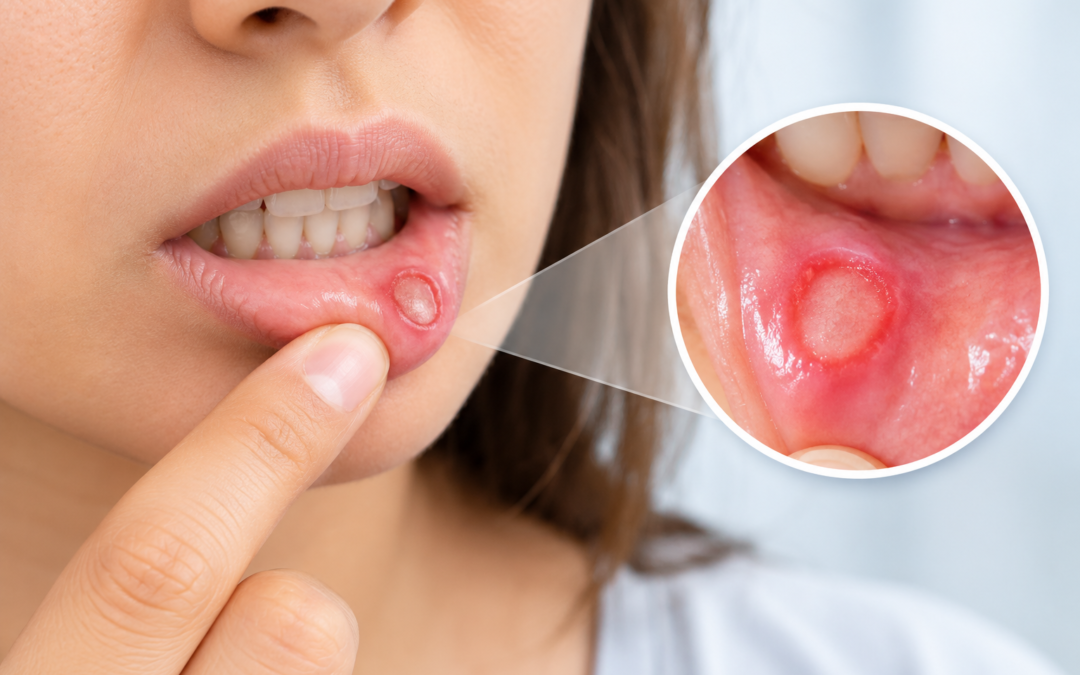
A mouth ulcer that is still there after three weeks is the one worth showing to a doctor or dentist. Most clear up well before that, usually within a week or two. Oral cancer can look just like an ordinary ulcer and often doesn’t hurt, which is why an examination is the only way to rule it out.
According to Dr. Sandeep Nayak, a Head and Neck Surgery Specialist, “A mouth ulcer that’s still there after three weeks needs to be looked at, even if it doesn’t hurt. Cancer in the mouth is frequently painless early on, and that’s exactly why it gets missed.”
Not sure whether a mouth ulcer needs a closer look?
How Long Is a Mouth Ulcer Supposed to Last?
Two weeks covers most of them, and one review of canker sores gave 4 to 14 days as the usual range for the common small type.
Canker sores: the ordinary small ones sting for a few days and then fade without leaving a mark.
Large canker sores: a bigger and deeper sore can take up to six weeks to heal, which makes three weeks a general guideline rather than a strict cutoff.
Knocks and rubs: a bitten cheek or a rough denture edge heals within days once the rubbing stops.
Underlying causes: low iron or B12 and some medicines can keep ulcers coming back until the cause is dealt with.
Doctors start thinking about tongue cancer when an ulcer persists beyond the expected healing period, especially along the side of the tongue.
What Does a Cancerous Mouth Ulcer Look Like?
No single feature gives mouth ulcer cancer away, so doctors look at the whole picture.
Age of the ulcer: one that hasn’t started shrinking by day 21 needs a proper look.
Firm edges, little pain: the rim often feels raised and hard, and it may not hurt at all.
Patches around it: a red or white patch that won’t wipe off and has been there for weeks is a warning sign of its own.
Other changes: an unexplained bleed, a new lump or a swollen gland in the neck alongside the ulcer adds to the worry.
The gums are another common spot, and gum cancer vs gum disease shows how one stubborn sore differs from ordinary gum trouble.
What Happens When a Mouth Ulcer Is Checked?
The first visit is mostly a close look and a few questions.
A close look: the doctor or dentist checks the ulcer’s size, edges, and base, feels around it, and runs a hand along the neck for lumps.
Ruling out causes: blood tests for iron and B12 plus a review of medicines and dentures help sort out the usual suspects.
Biopsy: a small piece of the ulcer is taken under local anaesthetic and sent for testing. Only this can confirm whether it is cancer.
Scans: CT or MRI is needed only when the biopsy confirms cancer, to see how far it has spread.
Tongue ulcers follow the same rules, as explained in our guide to a tongue ulcer that won’t heal.
Frequently Asked Questions
How long is too long for a mouth ulcer?
Three weeks. An ulcer that hasn’t healed by then needs examination.
Can mouth ulcer cancer be painless?
Yes, early oral cancer ulcers are often painless.
Which tests confirm mouth ulcer cancer?
A biopsy. A small bit of tissue goes to the lab for testing.
Are most mouth ulcers cancerous?
No, the great majority are harmless and heal within two weeks.
References:
- The Treatment of Chronic Recurrent Oral Aphthous Ulcers, PMC (NIH): https://pmc.ncbi.nlm.nih.gov/articles/PMC4215084/
- Delayed diagnosis of oral squamous cell carcinoma following dental treatment, PMC (NIH): https://pmc.ncbi.nlm.nih.gov/articles/PMC4165143/
Disclaimer: This blog is for educational and informational purposes only and should not be considered professional advice.