A lump near the ear or jaw usually raises one question first: is it cancer? For salivary gland tumours, the odds are actually reassuring. Around four out of every five turn out to be benign, growing slowly and staying confined to the gland. The rest can be malignant,...
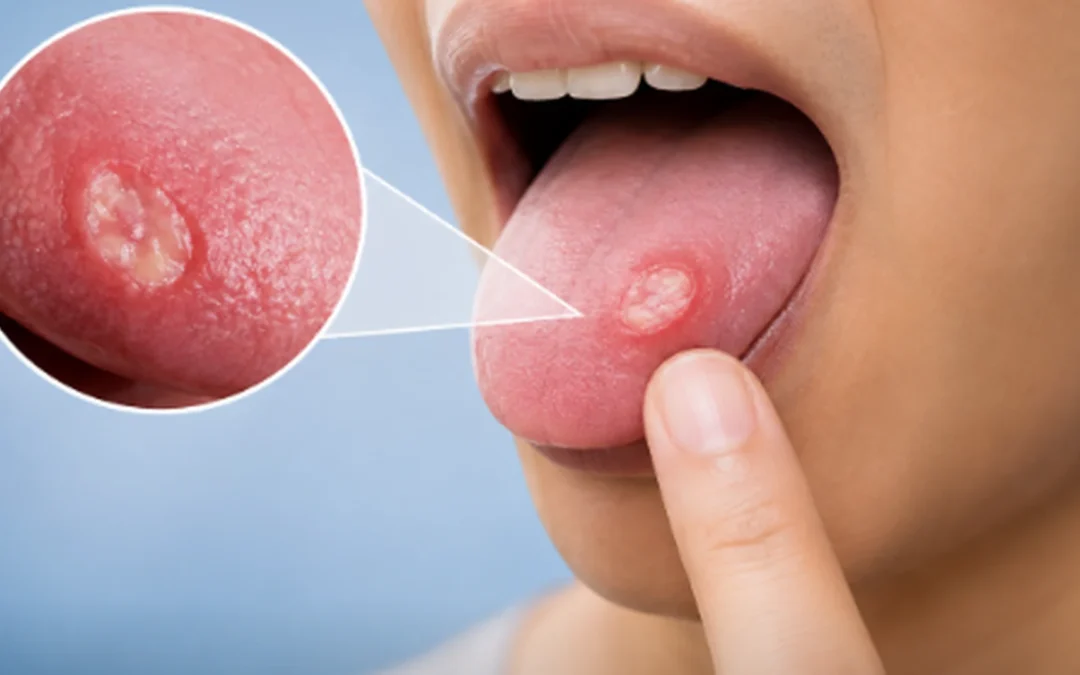
Most mouth ulcers settle down on their own within a week or two. But a sore on the tongue that’s still sitting there past the two-to-three-week mark isn’t something to keep waiting out, it needs a doctor or dentist to take a proper look and rule out oral...
Throat cancer in non-smokers is most often caused by HPV infection, specifically HPV-16, which has now overtaken tobacco as the leading driver of oropharyngeal cancer in many parts of the world. Other contributors include heavy alcohol use on its own, chronic acid...
A parathyroid adenoma is a benign growth on one of the four parathyroid glands sitting behind the thyroid in the neck. It makes that gland pump out too much parathyroid hormone, and the extra hormone pulls calcium out of the bones and into the blood. Doctors call the...
There’s no single “best” surgery for throat cancer. Transoral robotic surgery (TORS) and laser microsurgery suit small, early tumours because they work through the mouth and preserve speech and swallowing without any external cut. Open surgery or a...